


Playtime | Exploring 'Playtime' in Role-Playing Games: A Journey Through Immersive Worlds
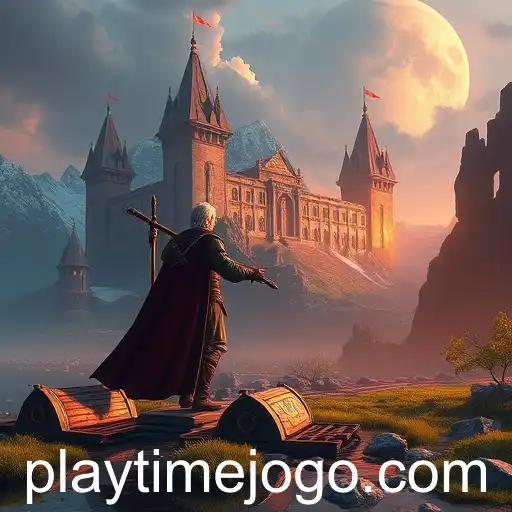
In the realm of online gaming, the enthralling universe of role-playing games (RPGs) captivates millions with its immersive experiences and intricate storylines. Within this genre, the keyword ‘Playtime’ emerges as a pivotal element, influencing game design, player engagement, and the overall journey players embark upon.
Role-playing games transport players into meticulously crafted worlds where they assume the identities of characters, exploring vast landscapes, undertaking quests, and engaging in battles and diplomacy. The allure of RPGs largely stems from their ability to merge narrative depth with player agency, allowing individuals to shape their destinies within the games' parameters.
The concept of ‘Playtime’ serves as a critical metric in these games, directly impacting the design philosophy and user engagement strategies. Developers meticulously craft RPGs to ensure that playtime is both rewarding and compelling, with quests, character development arcs, and exploration opportunities carefully timed to retain player interest.
In online communities, discussions surrounding playtime often delve into topics such as the optimal length of an RPG and the balance between content richness and audience retention. Developers must navigate the challenge of providing a substantial gameplay duration without overwhelming players or diluting the narrative. Successful RPGs such as "The Witcher 3" or "Final Fantasy" series exhibit how carefully managed playtime can enhance player satisfaction and game longevity.
Moreover, with the rise of multiplayer RPGs, playtime also influences the social dynamics among players. Games such as "World of Warcraft" or "Elder Scrolls Online" extend playtime through continual updates and community-driven events, encouraging sustained interaction and cooperative play.
The role of playtime in RPGs also touches upon broader trends within the gaming industry, including monetization through expansions and downloadable content. By understanding player engagement patterns, developers can strategically release new content, fostering continued interest and economic sustainability for long-term projects.
In conclusion, within the Role-Playing category, playtime is not merely a measure of time spent in-game but a carefully considered component of game design and player experience strategy. For fans of the genre, this metric reflects both the depth of their engagement and the lifeblood of the stories they cherish. As RPGs continue to evolve, striking the perfect balance between narrative, exploration, and playtime will remain at the heart of their enduring appeal.
