


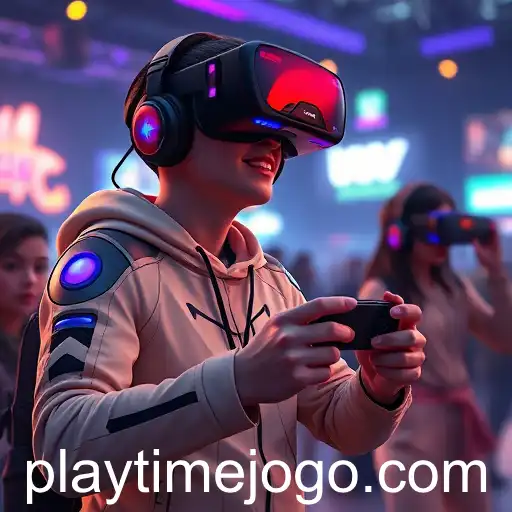
As we step into 2026, the world of online gaming continues to evolve at a breathtaking pace, offering diverse playtime experiences that transcend traditional boundaries. This year, the integration of advanced AI and VR technologies has elevated the gaming landscape, creating more immersive and interactive environments for players worldwide.
One of the standout trends in 2026 is the rise of 'meta-gaming' platforms. These platforms blend virtual reality with social networking, allowing players to not only game but also socialize, shop, and even attend virtual events with their avatars. The line between the virtual and real world continues to blur, as gamers spend more time in these digital realms, redefining what playtime means in today's connected society.
In response to these technological innovations, the gaming industry is also seeing significant growth in game development communities. These communities foster collaboration among developers and play a crucial role in shaping new gaming landscapes. Indie game developers, in particular, are thriving, using these platforms to showcase their creativity and engage with passionate audiences.
This dynamic shift in online playtime is also influencing the way players interact with games across the globe. With the advent of improved AI-driven narratives and responsive virtual worlds, players now enjoy a level of personalization and engagement never seen before. Games have become more than just pastimes—they are now platforms for storytelling, education, and cultural exchange.
Looking forward, experts predict that as these technologies advance, playtime will continue to revolutionize, offering even more inclusive and diverse experiences. The global gaming community anticipates a future where virtual and augmented realities provide an endless playground for innovation and interaction. As gaming companies race to adapt to these changes, players can expect an exciting journey ahead as they explore the expanding universe of digital entertainment.